On this page
What it is
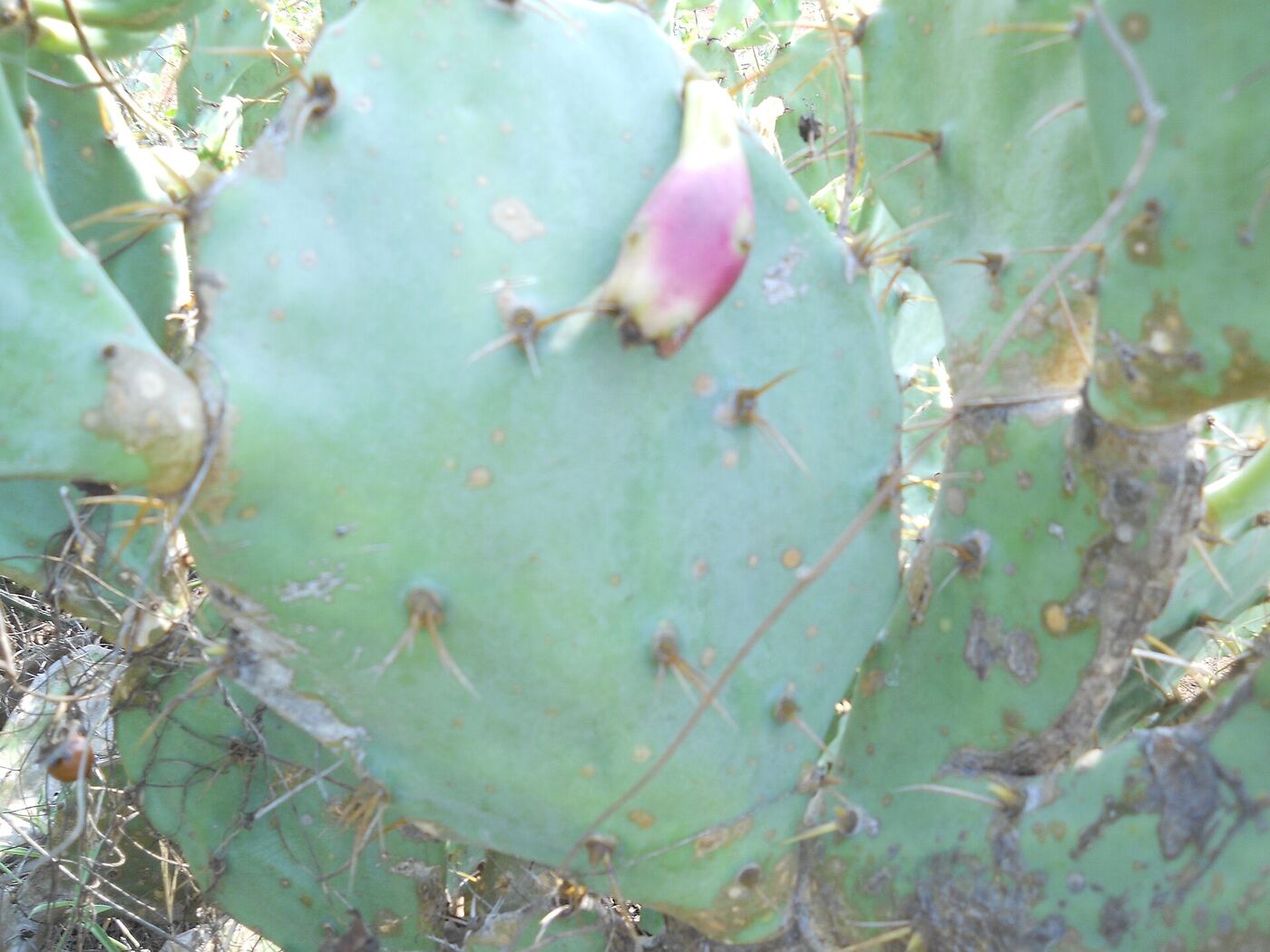
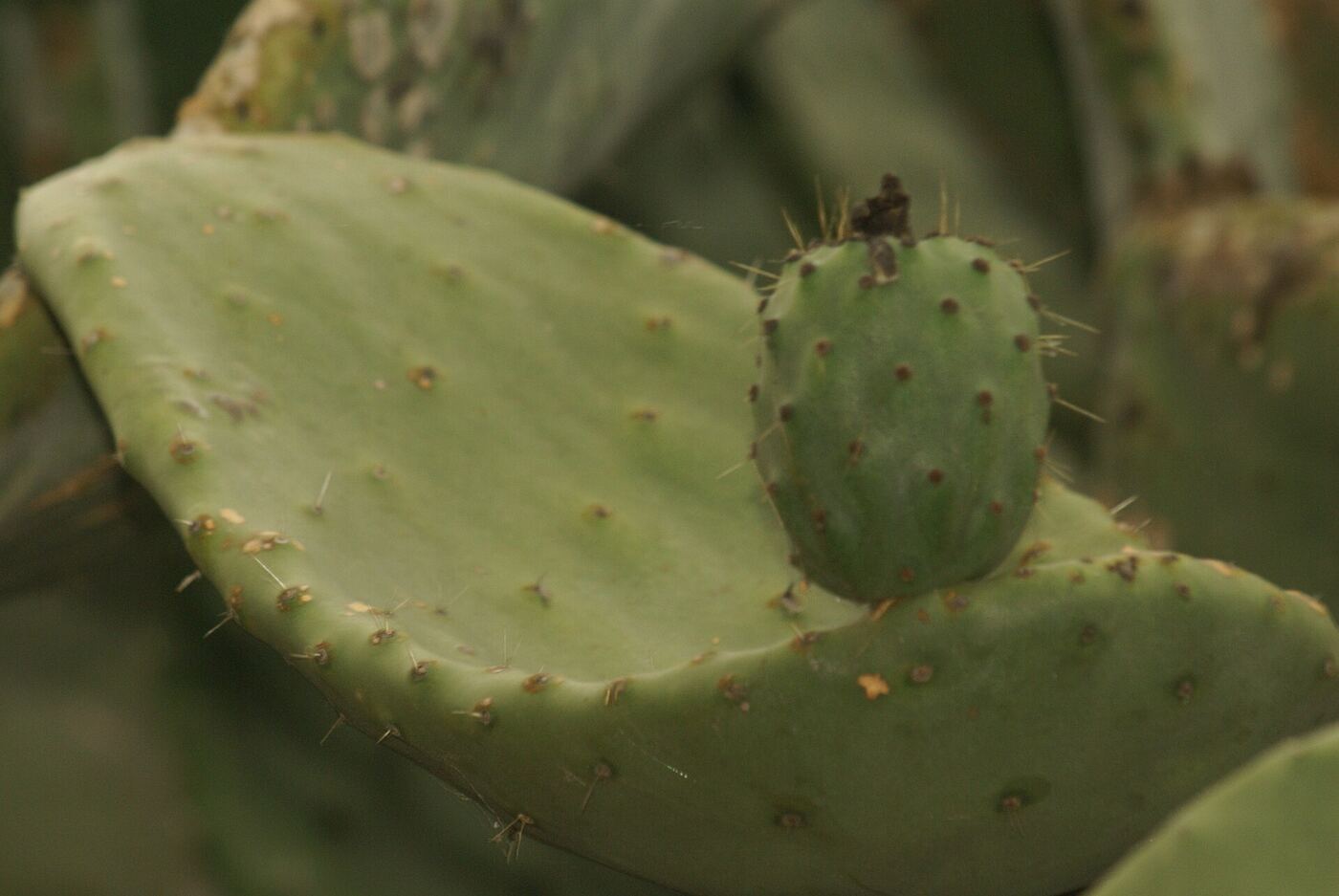
Opuntia Ficus-Indica Stem Extract is the INCI (international cosmetic ingredient) name for an extract made from the pads of the prickly pear cactus. The pads are botanically stems, which is why the label says "stem" rather than "leaf".
Related names you may also see:
- Opuntia Ficus-Indica Stem Water or Juice: similar water-based materials.
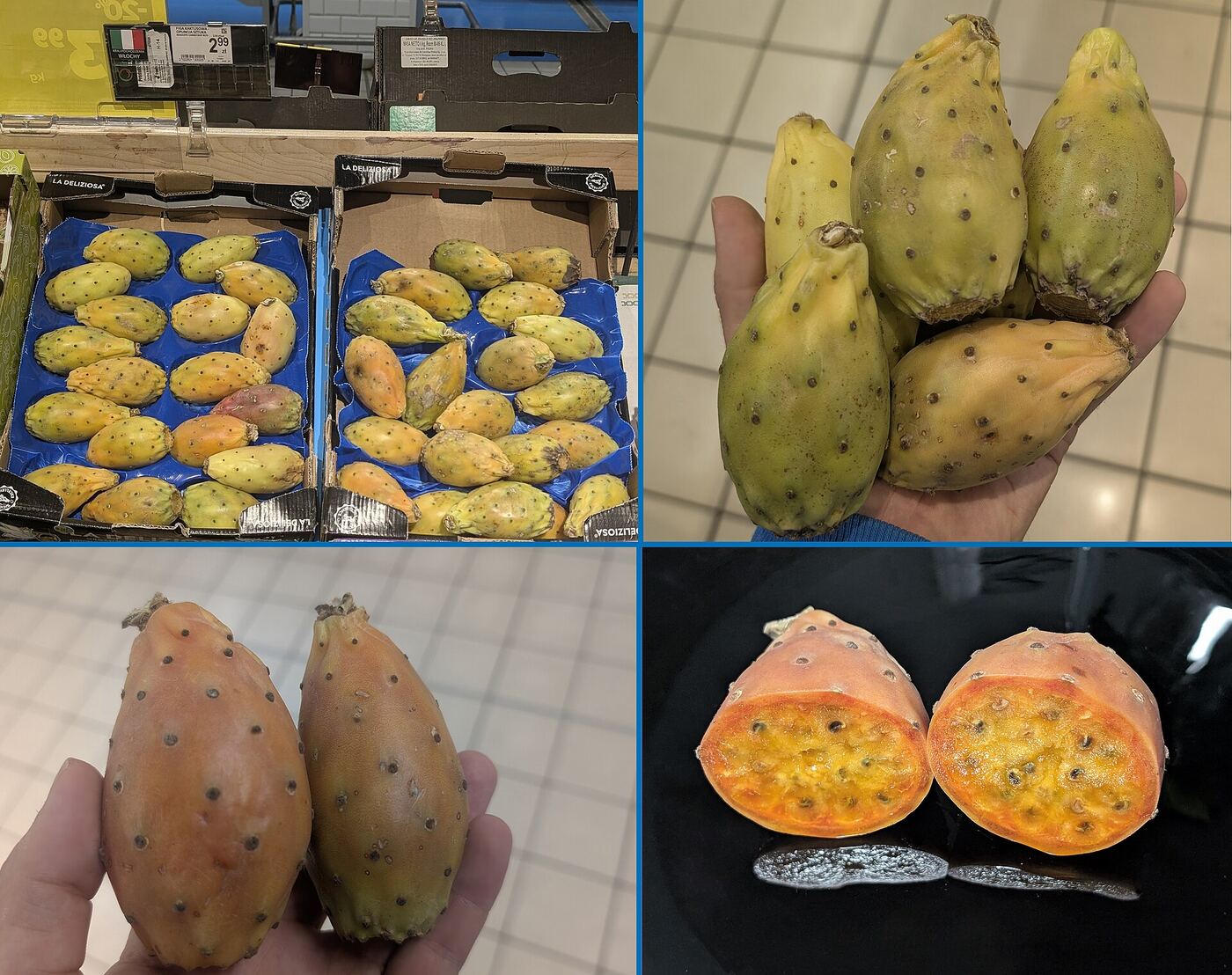
- Opuntia Ficus-Indica Fruit Extract: from the fruit, not the pad.
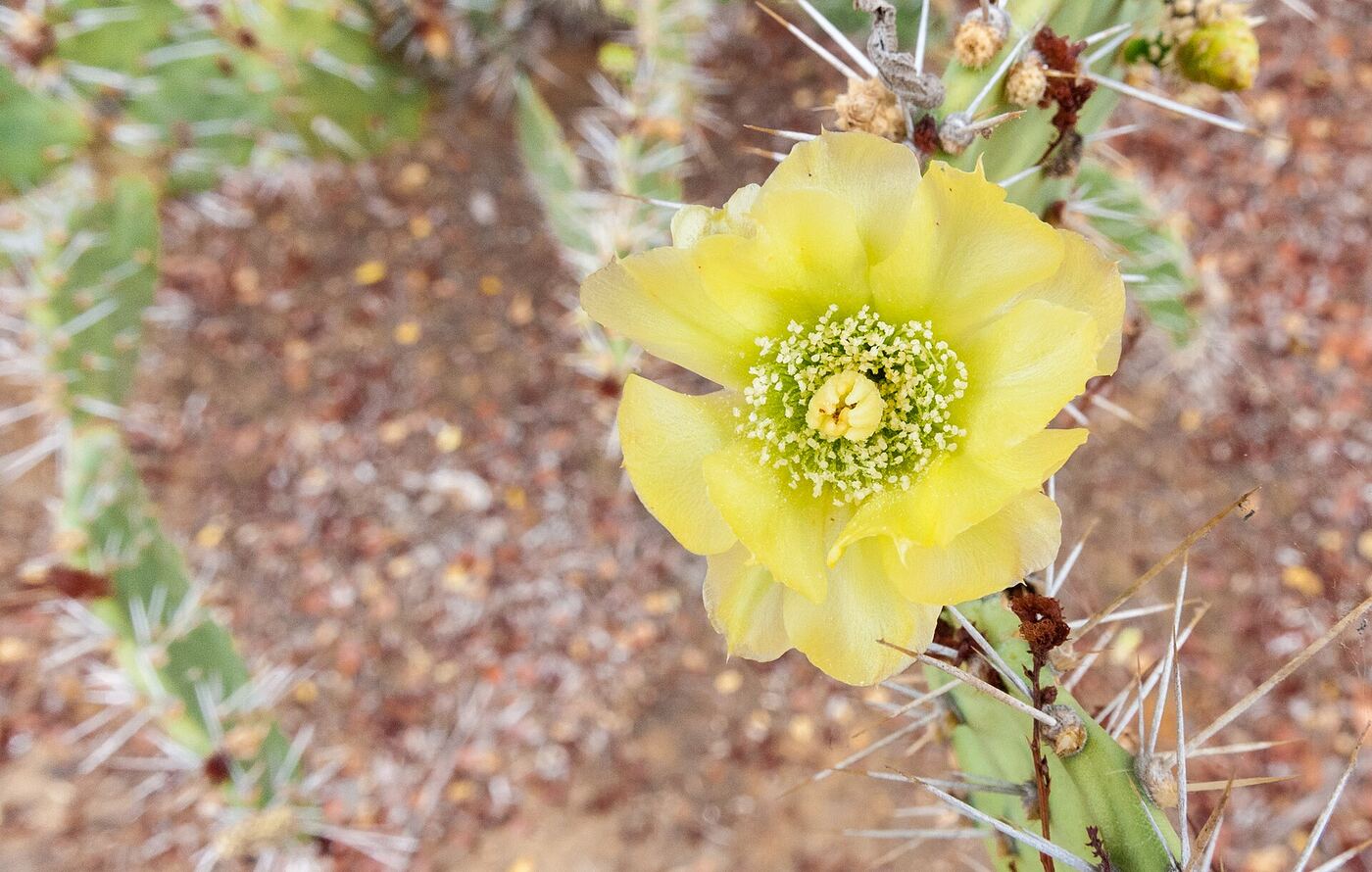
- Opuntia Ficus-Indica Flower Extract: from the yellow flowers.
- Opuntia Ficus-Indica Seed Oil: a plant oil. See prickly pear seed oil vs cactus gel.
What is in the pad?
Prickly pear pads are mostly water. Their notable components for skin are:
- Mucilage polysaccharides: researchers have identified a linear galactan polymer and a highly branched xyloarabinan in the mucilage. These large sugar molecules bind water.
- Antioxidant compounds: reviews report flavonoids and phenolic compounds in the pads.
- Minerals and small sugars that also contribute to the moisture-holding feel.
What studies show
| Study type | What was tested | Finding |
|---|---|---|
| Cell culture | Mucilage fractions on keratinocytes (skin cells) | Whole mucilage and low-molecular-weight parts sped up closure of a "scratch" wound |
| Rats (2006) | Polysaccharide extracts on dermal wounds | Faster healing compared with controls |
| Rats (2023) | Polysaccharide extract, 0.01–1%, twice daily for 21 days | Anti-inflammatory and healing effects reported |
| Formulation study | 1% extract in an emulsion on skin | Higher outer-skin water content for about five hours versus the base |
The honest summary: Opuntia polysaccharides look biologically active in models of wound repair and hold water on the skin. There is not yet strong evidence from large human trials that a cosmetic gel produces visible, lasting changes beyond hydration and comfort.
How it is used in products
Brands use it in soothing gels, toners, essences, sheet masks and creams. In a soothing gel it is often the first ingredient, sometimes making up most of the formula. In creams it is usually one of several hydrators.
Who should avoid it?
Few people need to. Avoid it if you have had a reaction to Opuntia or products containing it. As with any new skincare, patch test first.
Frequently asked questions
Is Opuntia ficus-indica stem extract safe for skin?
It is widely used in leave-on cosmetics and is generally regarded as gentle, but any plant extract can cause allergy in some people. Patch test new products.
Is it the same as prickly pear seed oil?
No. Stem extract is a water-based extract from the pads. Seed oil (Opuntia Ficus-Indica Seed Oil) is a plant oil pressed from the seeds of the fruit.
Does it help acne?
There is no good human evidence that it treats acne. It can be a lightweight hydrating layer for acne-prone skin.
Sources
- The polysaccharide and low molecular weight components of Opuntia ficus indica cladodes: structure and skin repairing properties
- Anti-inflammatory and healing effect of the polysaccharidic extract of Opuntia ficus-indica cladodes in cutaneous excisional wounds in rats (PMC, 2023)
- Nopal cactus (Opuntia ficus-indica) as a source of bioactive compounds for nutrition, health and disease (PMC review)
- An updated review: Opuntia ficus indica chemistry and its diverse applications (MDPI)
Medical note: this article is general information, not medical advice. For a rash, burn, wound, infection or any skin condition that worries you, talk to a doctor, pharmacist or dermatologist. Read our disclaimer.