On this page
Dry vs dehydrated
- Dry skin produces less oil. It often feels rough and flaky.
- Dehydrated skin is short on water. It can feel tight and look dull, even if it is oily.
Cactus gel mainly helps dehydration: it adds water and humectants. Dry skin also needs emollients and occlusives (oils, butters, ceramides, petrolatum) to soften and to reduce water loss.
The layering method
- Apply to damp skin. Pat your face lightly after cleansing so it is still a little moist.
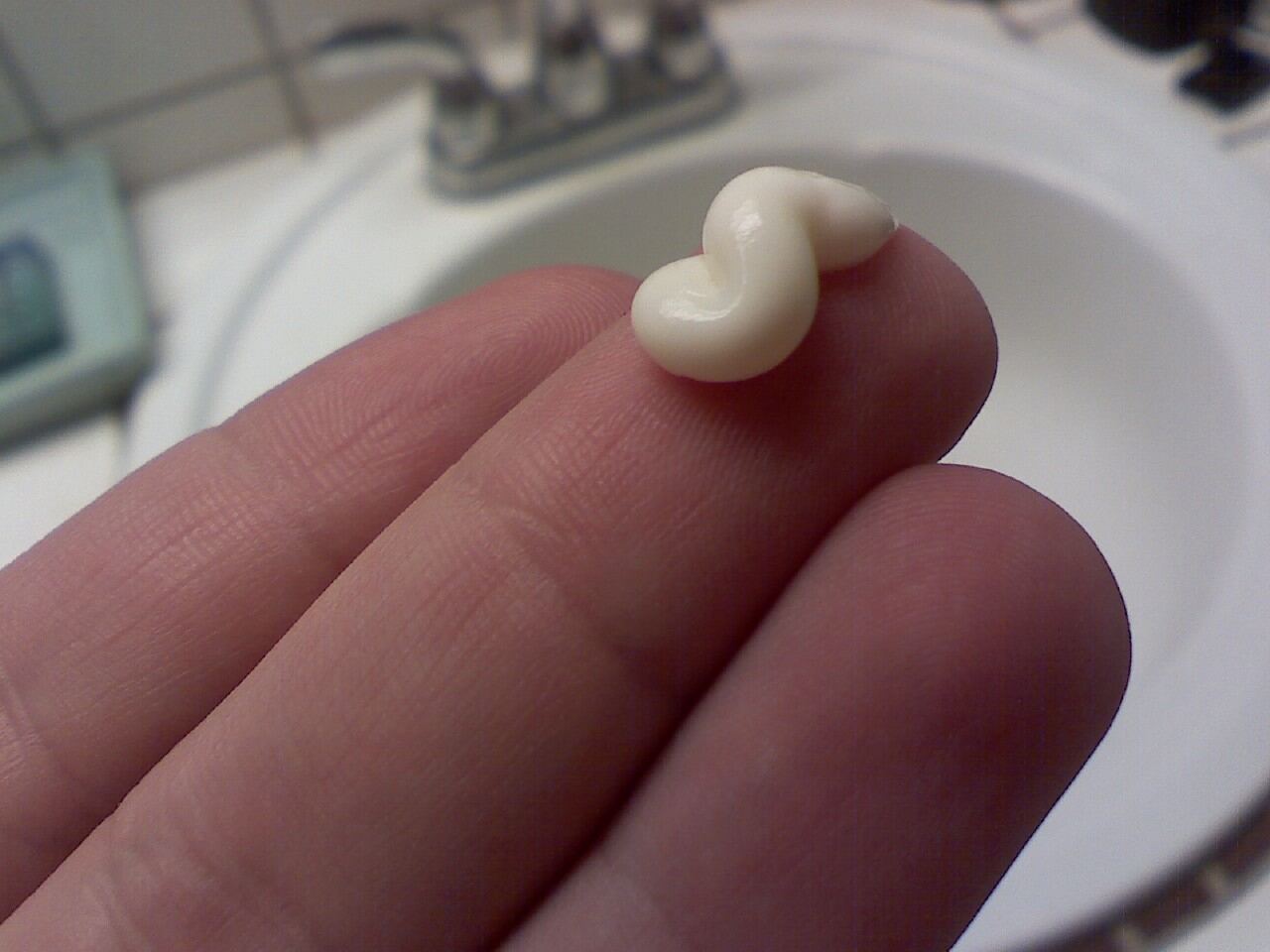
- Cactus gel. A thin layer.
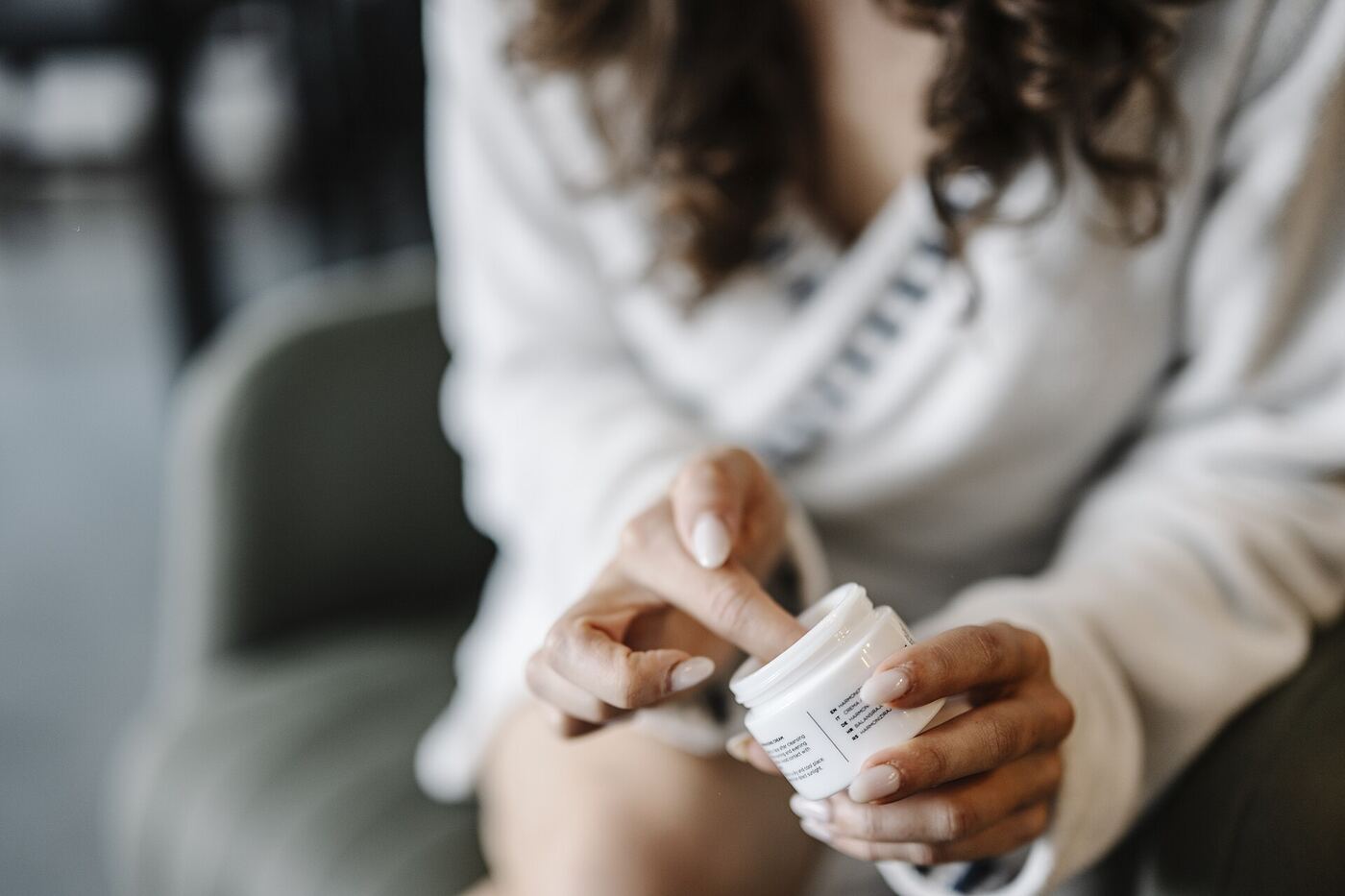
- Seal it in within a minute with a cream, or press a few drops of a face oil on top.
- Very dry patches: a thin layer of a balm or petroleum jelly at night.
The American Academy of Dermatology recommends applying moisturiser right after washing to trap moisture, and choosing creams or ointments rather than lotions for dry skin.
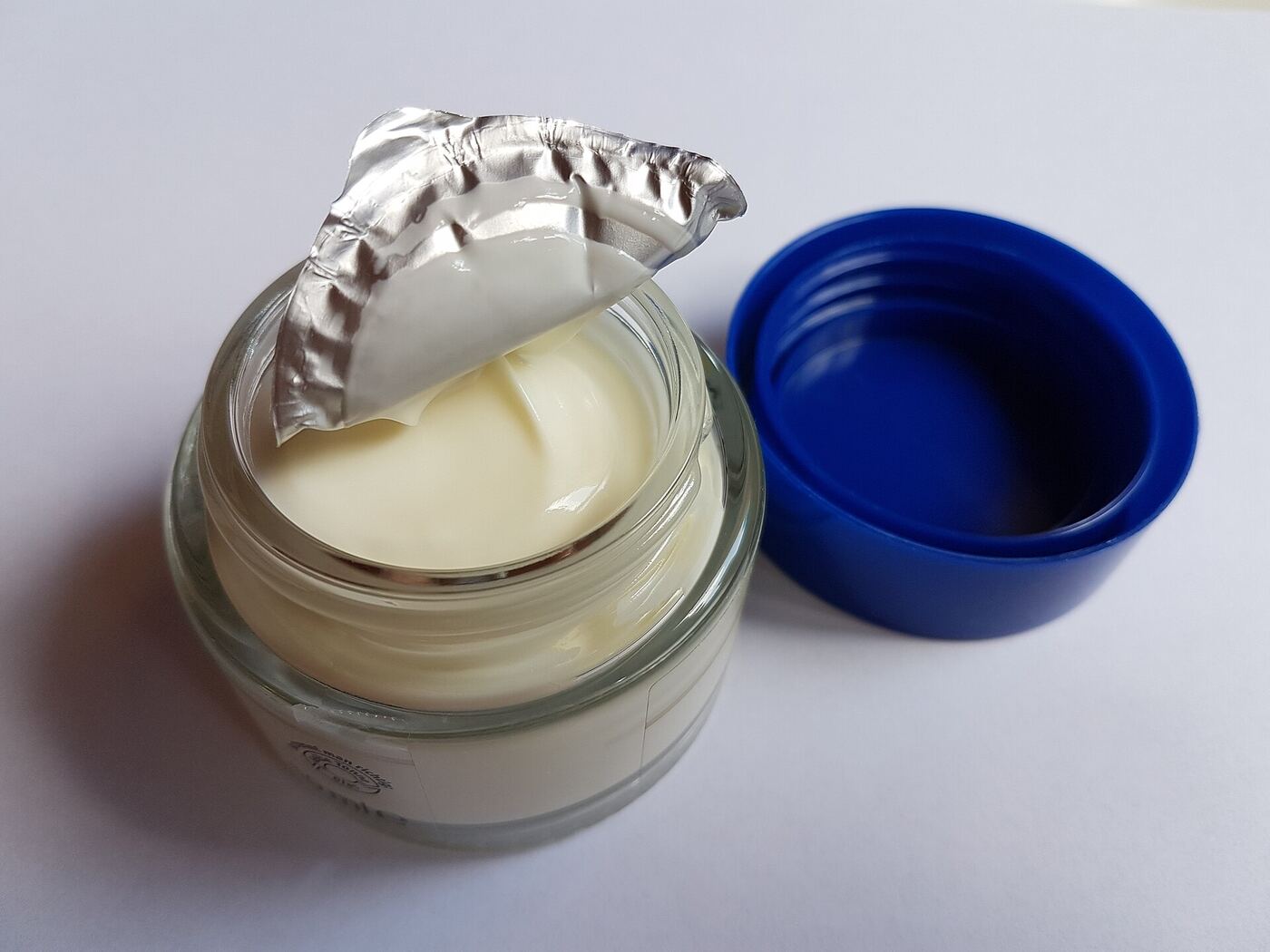
Good partners for cactus gel
- Ceramide creams.
- Prickly pear seed oil or another face oil. See oil vs gel.
- Products with glycerin, shea butter or squalane.
Tips for dry climates and winter
- Run a humidifier in your bedroom.
- Use lukewarm, not hot, water to wash.
- Avoid gels with a lot of alcohol or fragrance.
Frequently asked questions
Why does my skin feel tight after cactus gel?
Water can evaporate from the skin if nothing seals it in, especially in dry air. Apply a moisturiser or a few drops of oil on top.
Is cactus gel enough for winter?
For most dry skin types, no. Use it as a hydrating layer under a richer cream.
Dry vs dehydrated skin, what's the difference?
Dry skin lacks oil and is often a skin type. Dehydrated skin lacks water and can happen to any skin type, including oily.
Sources
- Dermatologists' tips for relieving dry skin (American Academy of Dermatology)
- An updated review: Opuntia ficus indica chemistry and its diverse applications (MDPI)
Medical note: this article is general information, not medical advice. For a rash, burn, wound, infection or any skin condition that worries you, talk to a doctor, pharmacist or dermatologist. Read our disclaimer.