On this page
The short answer
You can extract mucilage from prickly pear pads at home. We do not recommend putting it on your face. The risks are practical rather than exotic: invisible spines, bacteria and a product that spoils fast.
Problem 1: glochids
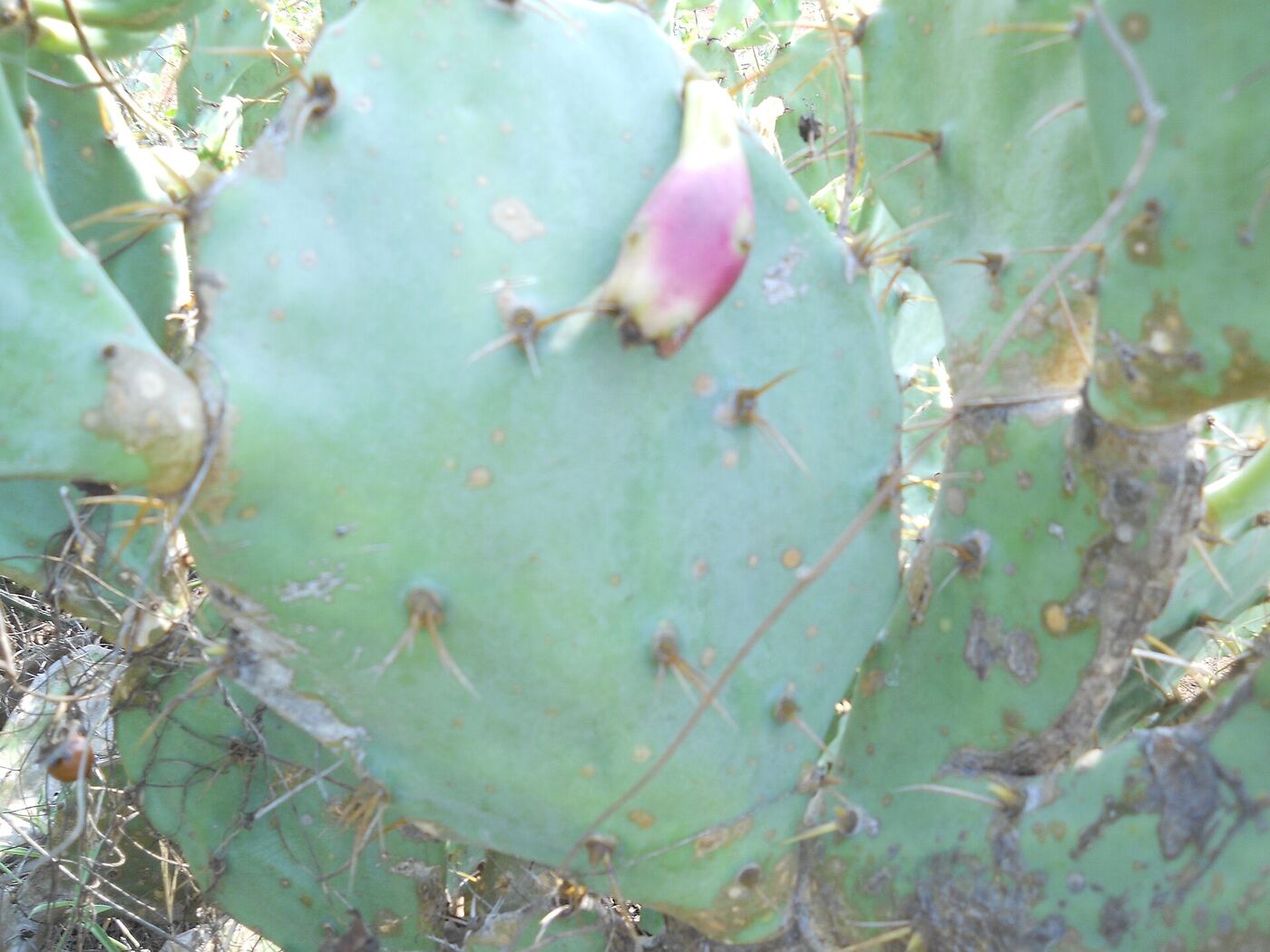
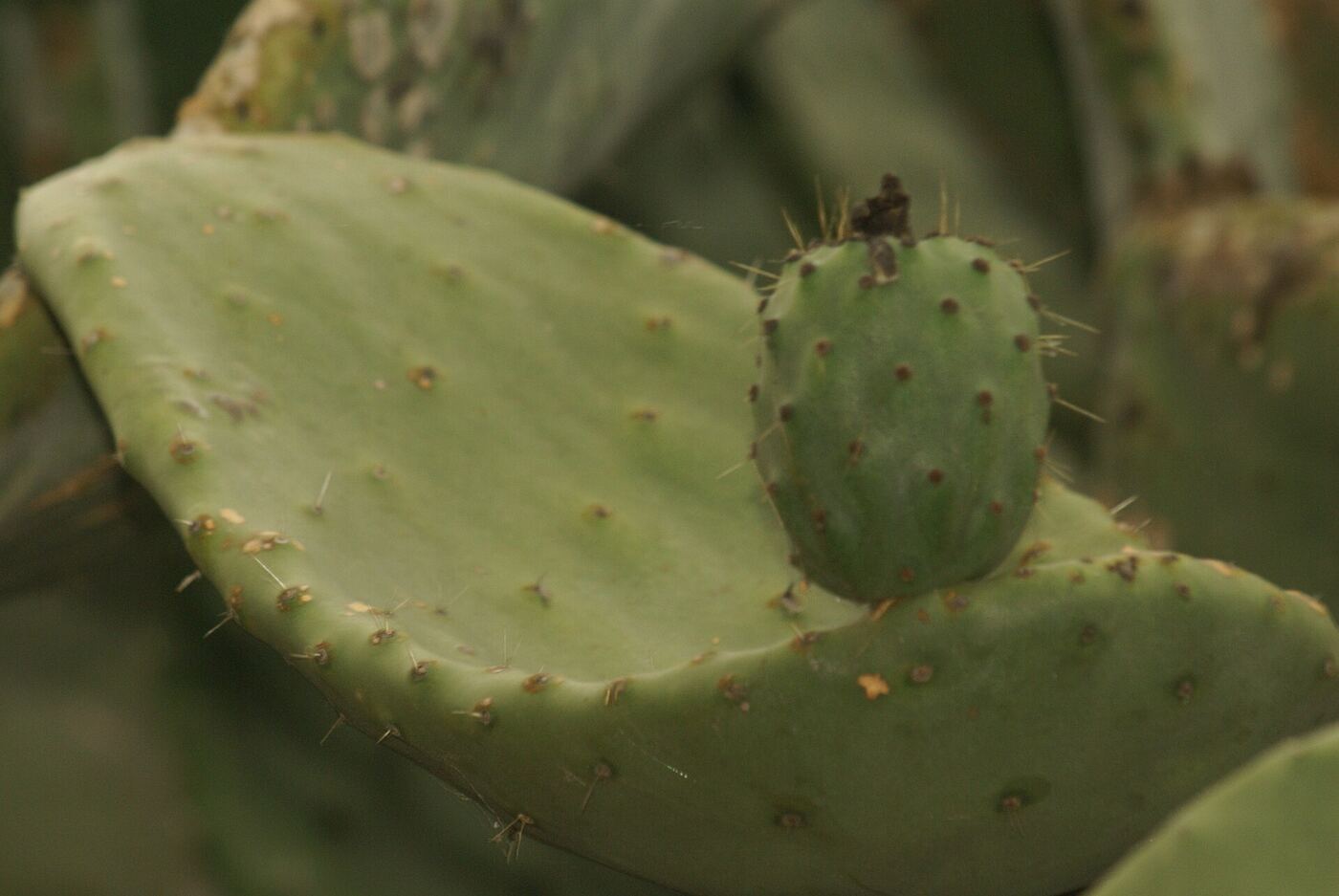
Besides obvious spines, prickly pear pads carry clusters of tiny, hair-like barbed spines called glochids. They detach easily, are hard to see and very irritating in skin. Even "spineless" pads sold for cooking can carry some. Blending a pad can spread fragments through your gel.
Problem 2: no preservative
Commercial gels contain preservatives because water plus plant sugars is an ideal food for microbes. A homemade gel has none, so it can grow bacteria and mould quickly, sometimes before you can see or smell a problem.
Problem 3: unknown yield and pH
Researchers note mucilage yield from pads is low and varies with the plant, season and age. Your home batch may be mostly water, with an unpredictable pH and texture.
If you still want to experiment
Treat it as a short-lived kitchen experiment, not skincare:
- Wear gloves and buy fully de-spined, food-grade pads.
- Scrub, rinse and peel thoroughly.
- Make tiny amounts, refrigerate, and discard within a day or two.
- Patch test on the forearm. Never use on broken skin, eyes or children.
Safer alternatives
- A preserved, store-bought cactus soothing gel with a short ingredient list.
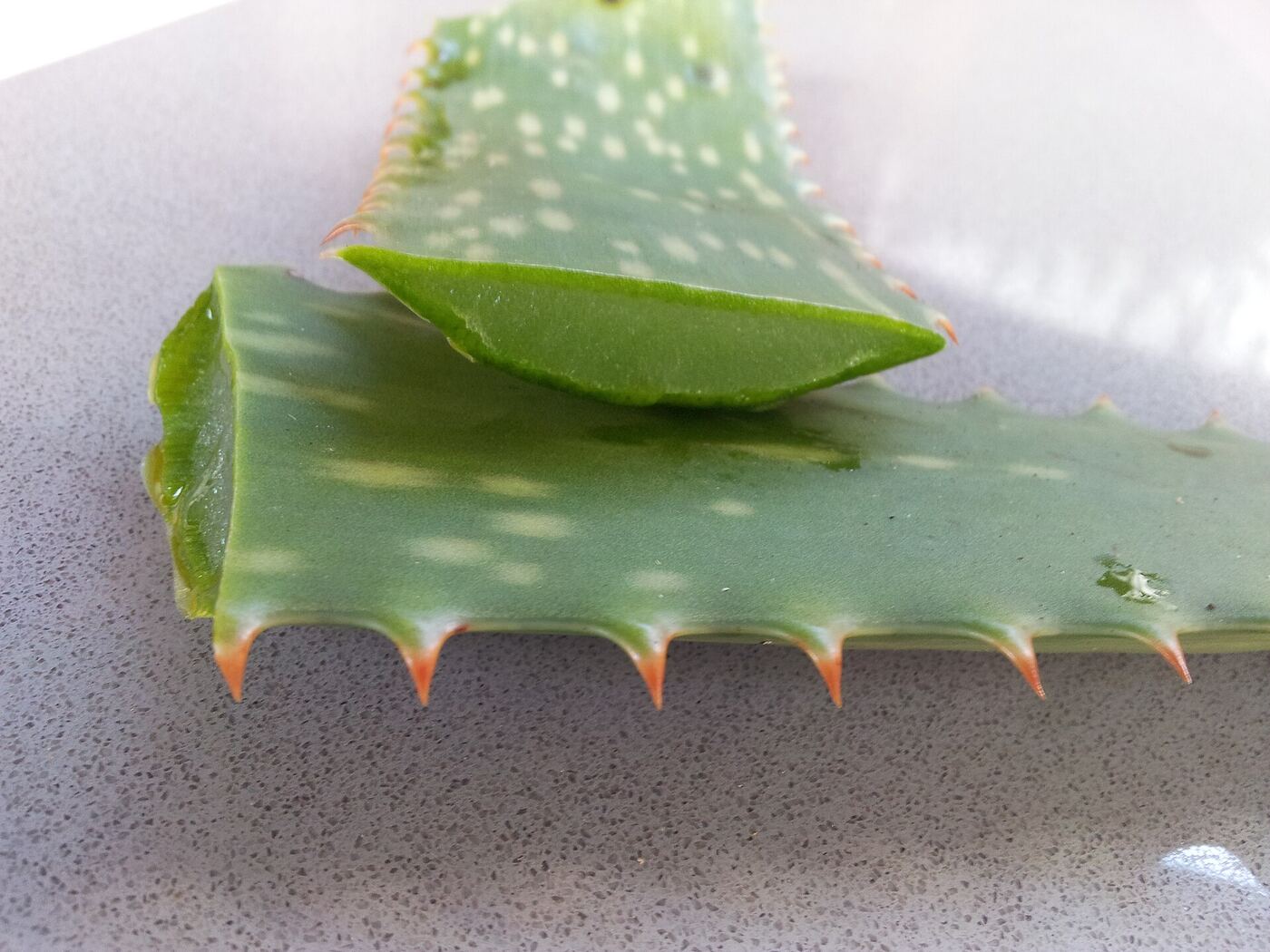
- Aloe vera gel from a reputable brand.
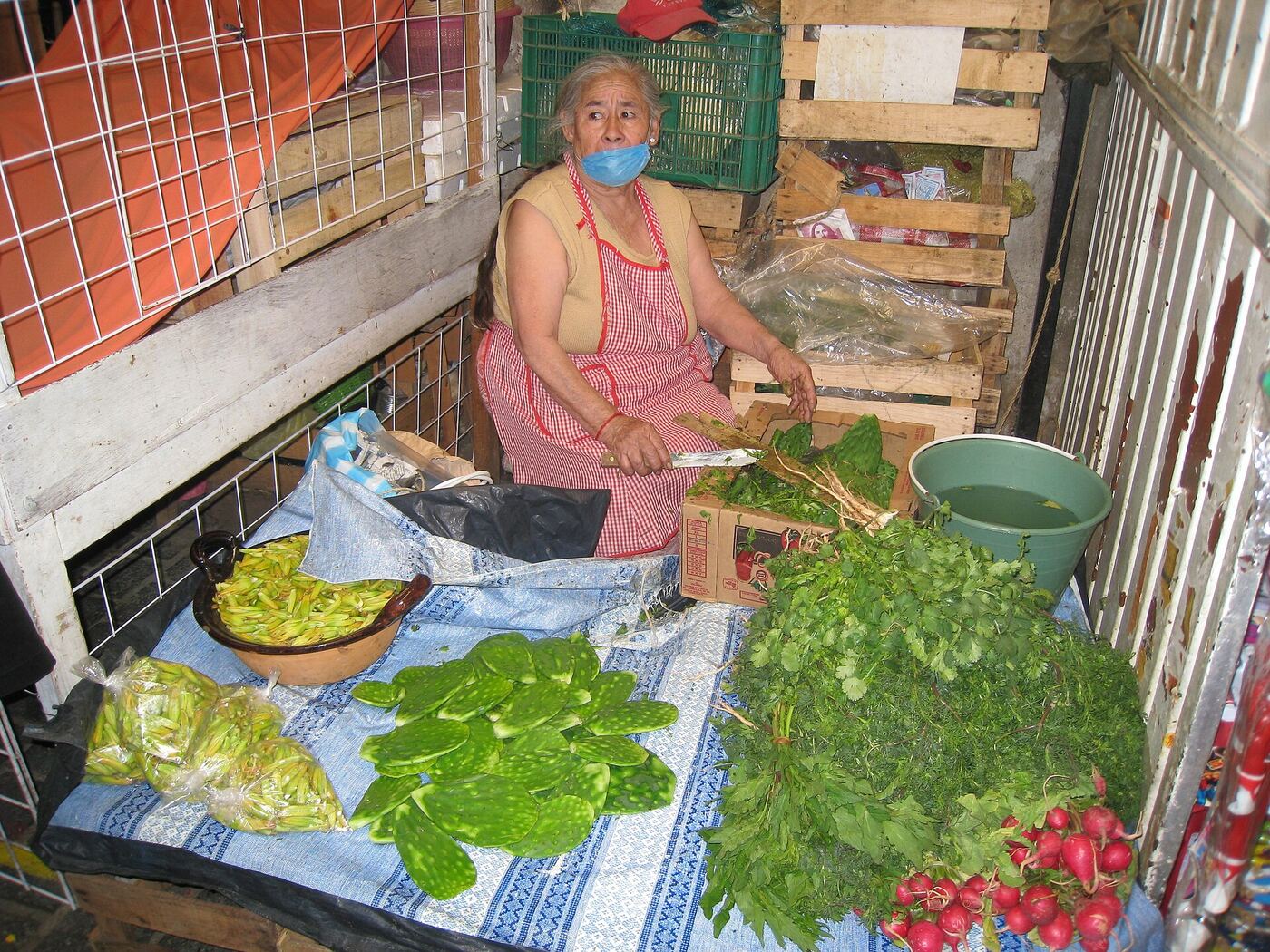
- Cooking nopales as food, if it is the plant itself you are curious about.
Frequently asked questions
How long does homemade cactus gel last?
Without a preservative, a homemade water-based gel can spoil quickly, often within days even in the fridge. Signs include a sour smell, cloudiness or mould.
Can I eat nopales instead?
Nopales are a traditional food in Mexico and elsewhere and are safe to eat when cleaned and cooked. Eating them is a food choice, not a skincare treatment.
Is store-bought cactus gel more effective than homemade?
It is more predictable: it is preserved, filtered, pH-adjusted and stable. That makes it safer and nicer to use, even if the extract itself is similar.
Sources
- Nopal cactus (Opuntia ficus-indica) as a source of bioactive compounds for nutrition, health and disease (PMC review)
- Physicochemical and functional characterization of the mucilage obtained from cladodes of two Opuntia species (International Journal of Biological Macromolecules)
Medical note: this article is general information, not medical advice. For a rash, burn, wound, infection or any skin condition that worries you, talk to a doctor, pharmacist or dermatologist. Read our disclaimer.